Surgery is an important part of your pet’s care, and knowing what to expect can make the process a little easier. At Pets Furst, our veterinarians provide surgical care for dogs and cats with careful attention to your pet’s individual health, comfort, and recovery.
Our surgical services include spay and neuter procedures, mass and growth removals, tooth extractions, wound repair, and other soft tissue surgeries. From evaluating your pet before their procedure to providing guidance for recovery at home, our Langhorne veterinary team will keep you informed and involved throughout their care.
Learning that your pet needs surgery can bring plenty of questions. At Pets Furst, our team takes the time to explain why a procedure is recommended, what to expect and how to care for your pet afterward.
We provide a range of routine and soft tissue surgical procedures for dogs and cats, with your pet’s comfort and safety at the center of their care.
Before moving forward, our veterinarians will evaluate your pet and discuss the recommended procedure, anticipated recovery and any additional testing or care that may be needed.
Vomiting, diarrhea, or loss of appetite can be signs of something minor or more serious. Our team will identify the cause and provide relief.
Limping, sprains, or cuts can interfere with your pet’s daily routine. We offer same-day urgent vet care to ease pain and help your pet heal comfortably.
Facial swelling, itching, or hives can appear suddenly. We’ll act quickly to control the reaction and keep your pet safe.
Cuts, punctures, bite wounds and other injuries sometimes require more than basic first aid. Our veterinary team can assess your pet’s wound, clean and treat the affected area, and determine whether sutures or other surgical care are needed.
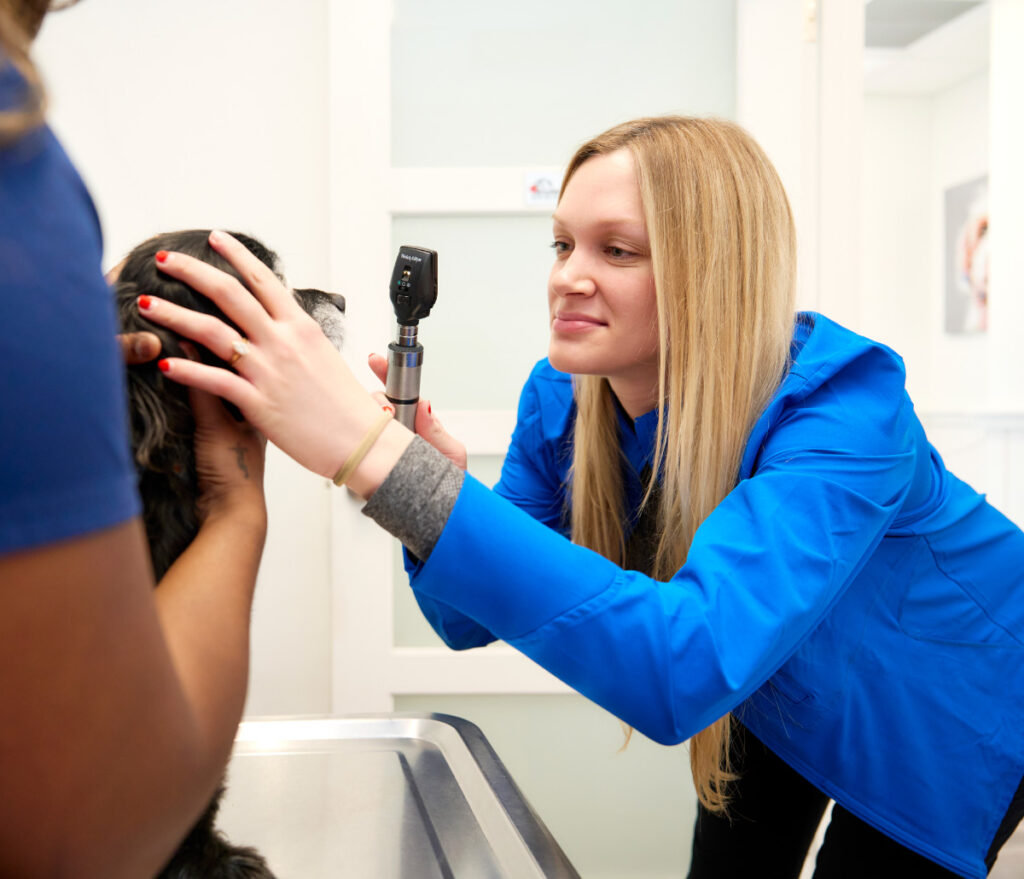
Your veterinarian will examine your pet and review their health history to make sure we understand their individual needs. Pre-anesthetic testing may be recommended to provide additional information about your pet’s health before their procedure.
Our veterinary team will carefully monitor your pet throughout their procedure with a focus on their safety and comfort.
We’ll monitor your pet as they recover and provide detailed instructions for caring for them at home, including activity restrictions, medications, incision care and what to watch for during recovery.
Every pet heals differently. We’ll let you know what follow-up care is recommended and when your pet should return for a recheck, if needed.
Your veterinarian will evaluate your pet’s symptoms, physical examination findings, and diagnostic results to determine whether surgery is appropriate. Some conditions can be managed with medication or other treatments, while problems such as certain obstructions, pyometra, or concerning masses may require an operation.
Pre-surgical bloodwork is commonly recommended because it provides information about your pet’s health before anesthesia. It can help identify concerns involving organs, blood cells, or other factors that may affect the surgical plan. Your veterinarian will recommend testing based on your pet’s age, medical history, health, and procedure.
Anesthesia always carries some risk, but evaluating your pet’s health and using an appropriate anesthetic and monitoring plan can help reduce potential complications. Your veterinarian will consider your pet’s condition and the planned procedure when determining the safest approach.
Preparation depends on the procedure and your pet’s health. Follow the clinic’s instructions regarding food, water, medications, and arrival time, and let the veterinary team know about any existing medical conditions or recent changes in your pet’s health.
Your pet may need rest, activity restrictions, medication, and incision monitoring while recovering from surgery. The exact instructions will depend on the procedure, so follow your veterinary team’s guidance and contact them if you notice increasing swelling, discharge, worsening discomfort, or other concerning changes.
Your pet may need an Elizabethan collar or another veterinarian-approved protective device to prevent licking and chewing. Even brief access to an incision can irritate the area, remove sutures, or interfere with healing, so follow the protective-wear instructions your veterinary team provides.
Call your Pets Furst Urgent Care veterinarian promptly at (215) 755-1000. An open incision may require examination and additional treatment. Prevent your pet from licking or chewing the area and follow the veterinary team’s instructions about what to do next.